Exploring Emerging Technologies in Data Cabling: What's Next?
The Evolution of Data Cabling
In today's rapidly advancing technological landscape, data cabling is more crucial than ever. As businesses and homes demand faster and more reliable internet connections, the infrastructure that supports these networks is evolving. Data cabling has come a long way from its early days, and emerging technologies are set to revolutionize how we connect to the digital world.
The shift from copper cables to fiber optics is just one example of how data cabling has transformed over the years. Fiber optics offer higher bandwidth and faster speeds, enabling seamless data transfer over long distances. As we look to the future, several emerging technologies promise to further enhance the capabilities of data cabling.
Advancements in Fiber Optics
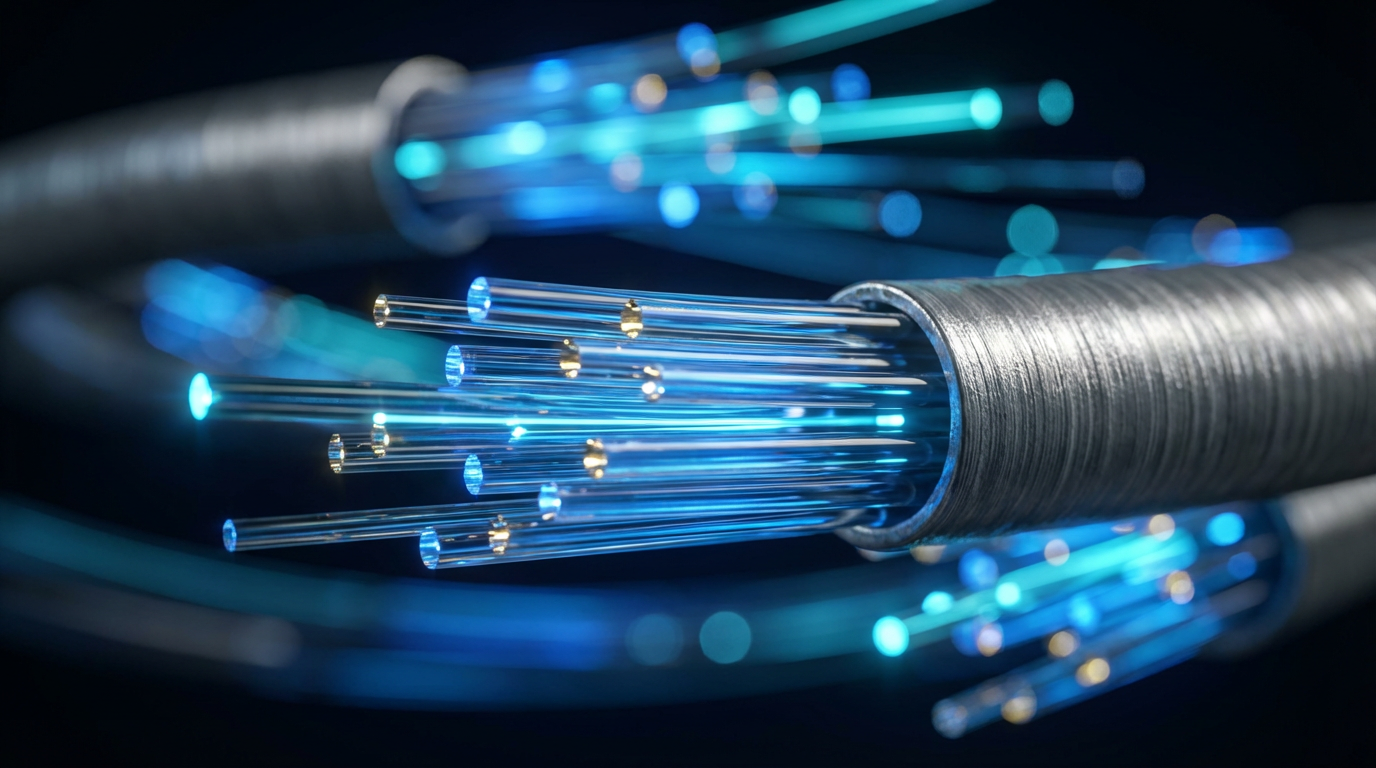
Fiber optic technology continues to evolve, with new innovations improving performance and efficiency. One such advancement is the development of bend-insensitive fibers, which allow for greater flexibility and easier installation in challenging environments. This innovation minimizes signal loss, ensuring reliable connections even in complex settings.
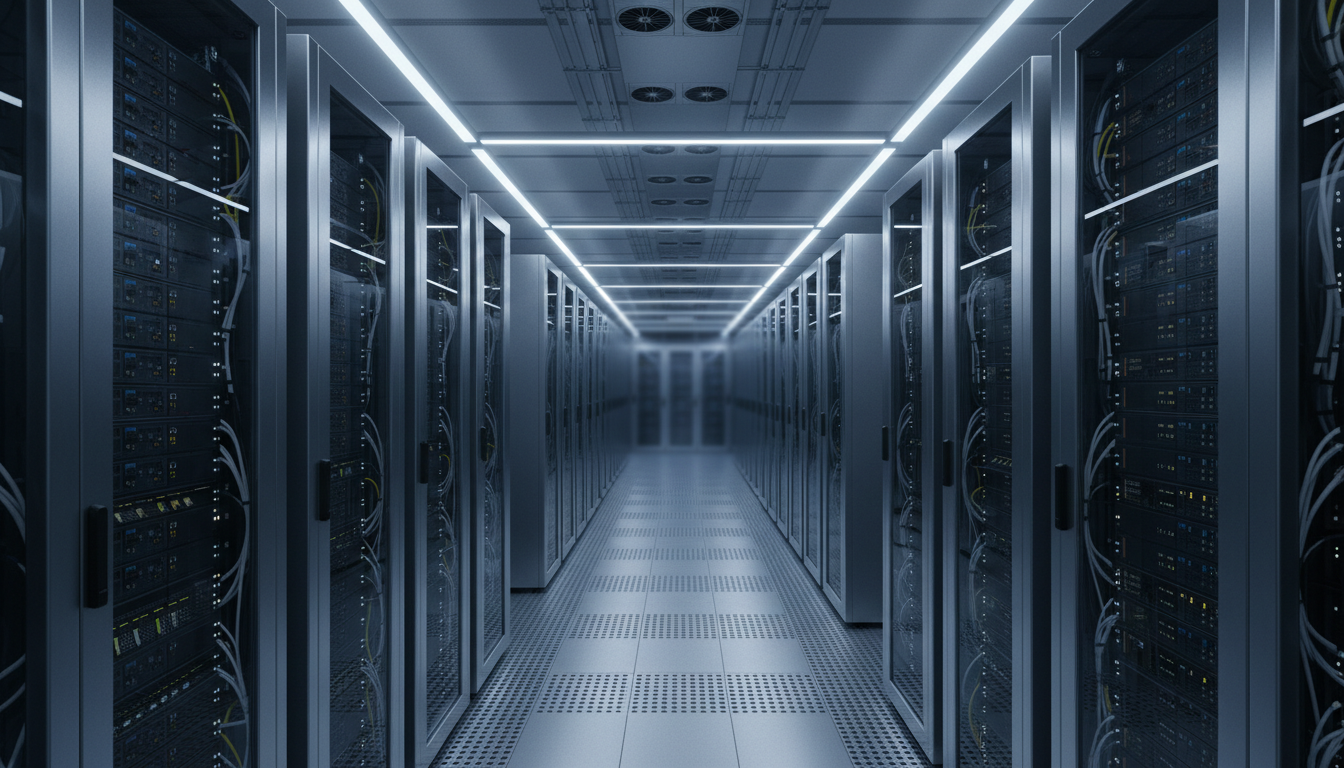
Another significant trend is the increasing use of multi-core fibers. These fibers contain multiple optical paths within a single strand, dramatically increasing data capacity. This technology is especially beneficial in data centers, where space and efficiency are paramount.
Wireless Data Cabling: A New Frontier
While traditional cabling remains essential, wireless technologies are becoming an integral part of modern data networks. Wireless solutions offer the advantage of flexibility and ease of installation, especially in environments where cabling is impractical. Technologies such as Li-Fi, which uses light to transmit data, are gaining traction as potential game-changers in the industry.
Li-Fi offers several benefits over traditional Wi-Fi, including higher speeds and enhanced security. As research and development continue, wireless data cabling solutions are expected to complement existing infrastructure, offering a hybrid approach to connectivity.
The Role of AI and Automation
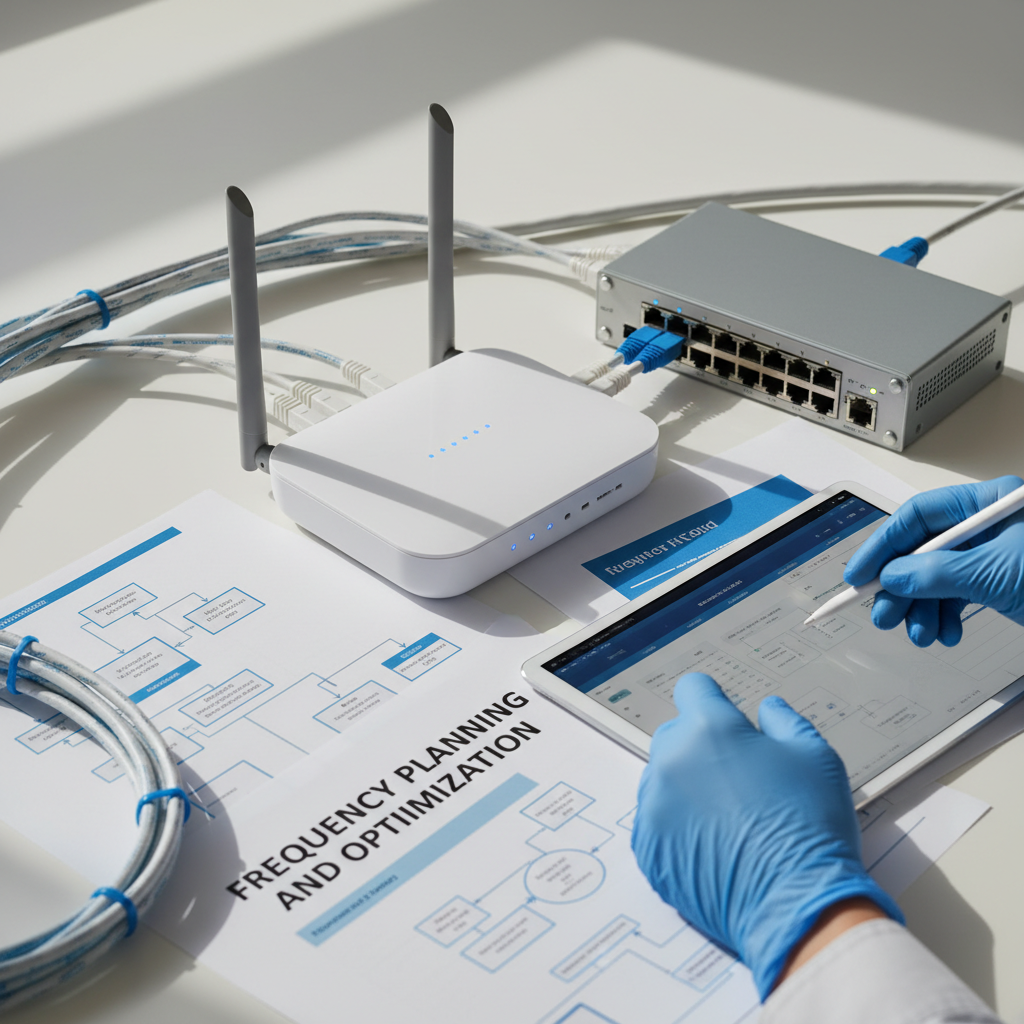
Artificial intelligence and automation are playing an increasingly important role in data cabling. AI can optimize network configurations, predict maintenance needs, and even automate troubleshooting processes. This not only enhances network reliability but also reduces operational costs.
Automation tools are also being used to streamline the installation and management of cabling systems. These tools can significantly reduce the time and labor involved, making it easier to deploy and maintain complex networks.
Environmental Considerations
As sustainability becomes a key concern, the data cabling industry is also focusing on eco-friendly solutions. Biodegradable and recyclable materials are being explored to reduce the environmental impact of cabling infrastructure. Innovations in this area are not only beneficial for the planet but can also offer cost savings in the long run.
Furthermore, energy-efficient cabling solutions are being developed to reduce power consumption in data centers and other facilities. These advancements align with global efforts to create more sustainable and responsible technological ecosystems.

What's Next for Data Cabling?
As we look to the future, the integration of emerging technologies in data cabling promises to enhance connectivity, efficiency, and sustainability. The continued evolution of fiber optics, the rise of wireless solutions, and the incorporation of AI and eco-friendly materials are setting the stage for the next generation of data networks.
Businesses and consumers alike will benefit from these advancements, enjoying faster and more reliable connections than ever before. As the digital landscape continues to evolve, staying informed about these emerging technologies will be crucial for anyone involved in the design, implementation, and management of data networks.